
- Your work
- Your income
- Anything else
- Your answer
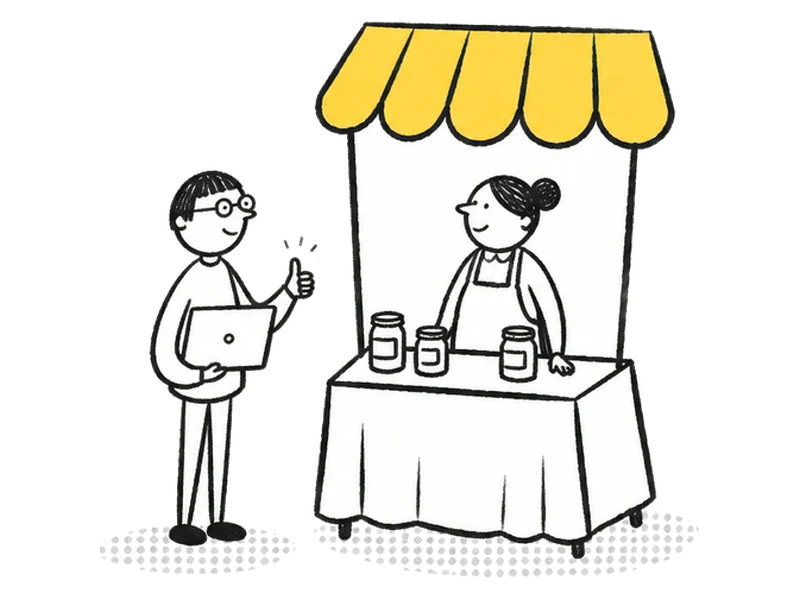
You probably need to file
- Our service
- Sole trader tax return
- Sole trader tax return, any level of sales
- £69 one-off
Bookkeeping from your bank statements included. Pay when you order.
Get startedThis is a guide, not advice. Check with GOV.UK.
You probably need to file
- Our service
- Personal tax return
- Personal or landlord tax return
- £69 one-off
For a job, rent, savings, dividends, foreign income or self-employed work. Pay when you order.
Get startedThis is a guide, not advice. Check with GOV.UK.
Speak to us
Call 020 7123 9335Or WhatsApp us, or ask us to call you back. It’s free to ask.
This is a guide, not advice. Check with GOV.UK.
You may not need to file
None of your answers points to the usual reasons for a 2025 to 2026 return.
Small amounts with no tax taken off, like rent or commission up to £2,500, or dividends over £500 but not over £10,000? Tell HMRC in your online account or by phone. No tax return needed for that. This short check does not cover every relief, residence, pension or student-loan situation. Use GOV.UK’s full checker before deciding not to file. If HMRC asks for a return, file it or have the notice withdrawn.
This is a guide, not advice. Check with GOV.UK.
Not sure? Call or WhatsApp us on 020 7123 9335.
A guide for 06/04/2025 to 05/04/2026, based on GOV.UK’s rules. It isn’t advice for your situation, and nothing you tap is saved or sent.
Your request is saved
Who needs to send a tax return
For the tax year 06/04/2025 to 05/04/2026, you usually need to send a Self Assessment tax return if any of these apply. GOV.UK sets the rules in who must send a tax return.
You were self-employed and earned more than £1,000
Earned £1,000 or less from selling or side work, before costs? You usually don’t need to tell HMRC. Over £1,000 before costs, you need to file, even if your costs mean there’s no tax to pay. A sole trader tax return is £69 one-off with us, whatever your sales, bookkeeping included.
You were a partner in a partnership
Each partner sends a personal return, and the partnership sends its own return too.
You had untaxed income over the limits
You’ll usually need a tax return if you had:
- rent over £2,500 after costs, or over £10,000 before costs
- savings interest over £10,000
- dividends over £10,000
- other income with no tax taken off
Smaller amounts may still need telling HMRC, in your online account or by phone. Foreign income depends on residence, the income and the reporting route; do not treat every overseas receipt alike. See tax on dividends and renting out a property.
You owe Capital Gains Tax
For example after selling shares or a second home at a gain. The reporting route may be Self Assessment or a separate Capital Gains Tax report. UK property disposals can have a 60-day reporting deadline. See Capital Gains Tax.
You owe the High Income Child Benefit Charge
If your income was over £60,000 and you or your partner got Child Benefit, the higher earner may owe the charge. Employees can now choose to pay it through their tax code instead of a return. See High Income Child Benefit Charge.
HMRC asked you to
If HMRC sends a notice to file, you must send a return by the deadline, even if you think there’s nothing to pay.
Less common reasons
- Claiming over £2,500 of work expenses
- Some pension payments
- Income from a trust or an estate
- Living abroad with UK income
- Repaying a student or postgraduate loan as an off-payroll worker
GOV.UK’s checker covers these. Our guide Do I need a tax return? explains each one.
If you need to file
Send what you have: your P60 (the yearly pay and tax summary from your job), rent statements, bank statements or a bag of receipts. We prepare the return, you approve it, and we file it. A personal return is £69 one-off. See tax returns.
Frequently asked questions
Do I need a tax return if I’m employed?
Not usually. If all your income is a salary taxed through PAYE (tax taken off wages through payroll), your employer takes the tax. You may still need one for other income, such as rent over £2,500, more than £10,000 of savings interest or dividends, Capital Gains Tax, or if HMRC asks you.
Do I need a tax return if I earn over £150,000?
Not for that reason alone any more. A high salary on its own doesn’t mean you need a tax return, as long as your employer takes the tax off your pay. Other income can still mean you need to.
What is the trading allowance?
Earned £1,000 or less from selling or side work, before costs? You usually don’t need to tell HMRC. That £1,000 is the trading allowance. Over £1,000, you usually need to register and send a tax return, even if your costs mean no tax is due.
When is the 2025 to 2026 tax return due?
Online returns are due by 31/01/2027, and any tax is due the same day. If you’ve never filed before, you should have registered by 05/10/2026. If you’ve missed that, register as soon as you can.
HMRC sent me a letter but I don’t think I need to file. What do I do?
If HMRC asked for a return you must send one by the deadline, or contact HMRC to explain why you no longer need to, for example because you stopped working for yourself.
Is this checker advice?
No. It’s a quick guide based on GOV.UK’s rules for the 2025 to 2026 tax year. For your own situation, use GOV.UK’s checker or call us.
Last checked against GOV.UK on 03/11/2026.
Ready to tick your tax return off your to-do list?
Get startedQuestions first? Call or WhatsApp 020 7123 9335