What a dryliner could get back
A made-up example for 2025 to 2026, to show the maths. A dryliner is paid £36,000, including £3,000 for boards, studs and fixings they bought. The contractor takes 20% of the £33,000 labour: £6,600. Costs come to £7,700: the £3,000 of materials, £3,000 for van and fuel, £1,200 for screw guns and stilts, £200 for boots and work clothing and £300 for the work share of their phone. That leaves a profit of £28,300. Income Tax is £3,146 and Class 4 National Insurance £943.80, so £4,089.80 is due. HMRC pays back £2,510.20. This assumes England, Wales or Northern Ireland and no other income. Your own figures will differ: the refund calculator above works out yours.
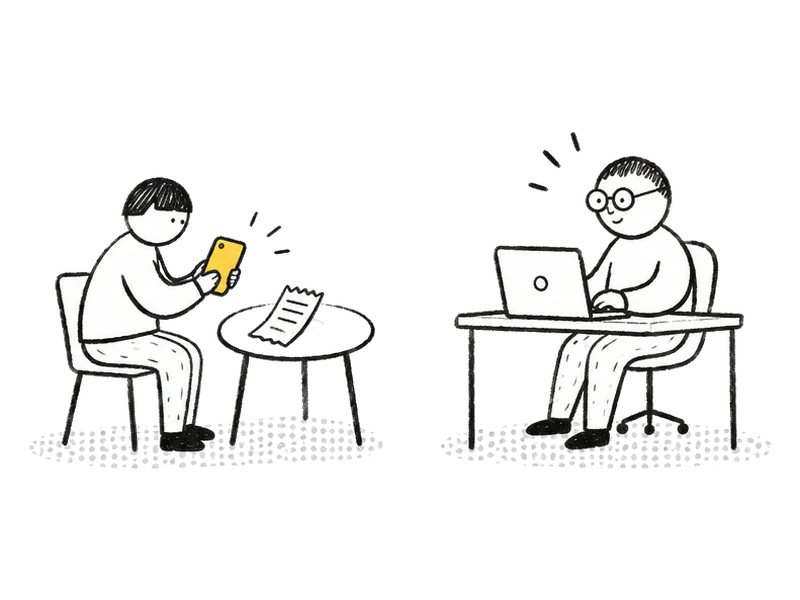
Dry lining invoices often mix labour with boards, studs and fixings. Keep the purchase receipts and each month’s contractor statement, so the labour CIS was taken from can be checked.
Guidance checked 06/11/2026: GOV.UK: Income Tax rates and allowances · GOV.UK: National Insurance rates · HMRC: CIS statements and deductions · GOV.UK: work covered by CIS · HMRC: business expenses.